



Data sheet
- Year 2006
- Venue Callejón de Exposiciones, Jorge Eliécer Gaitán Theatre, Bogotá
- Type Documentary series · 164 photographs
- With Paula Estrada
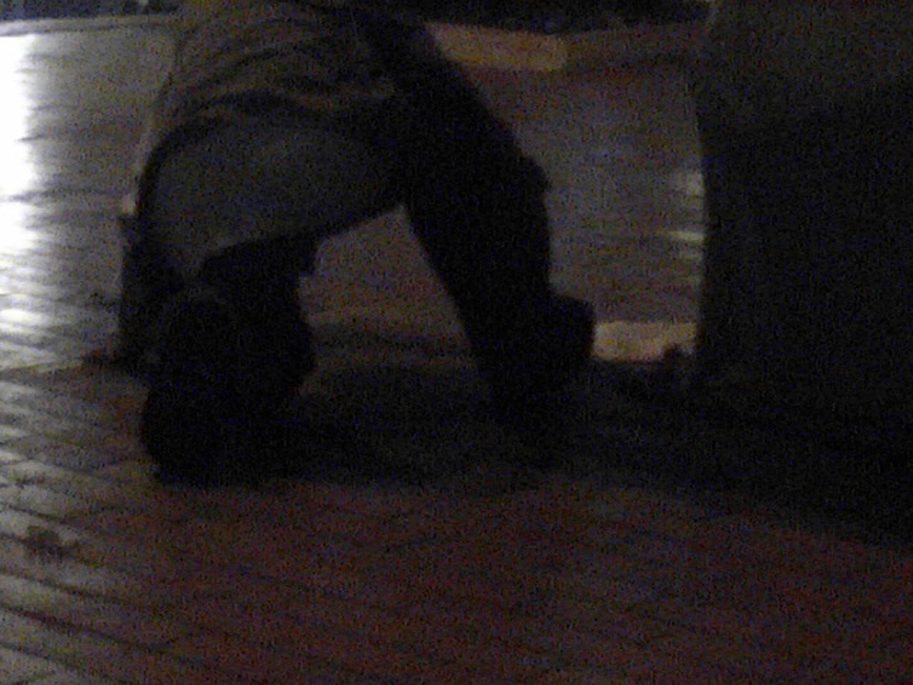
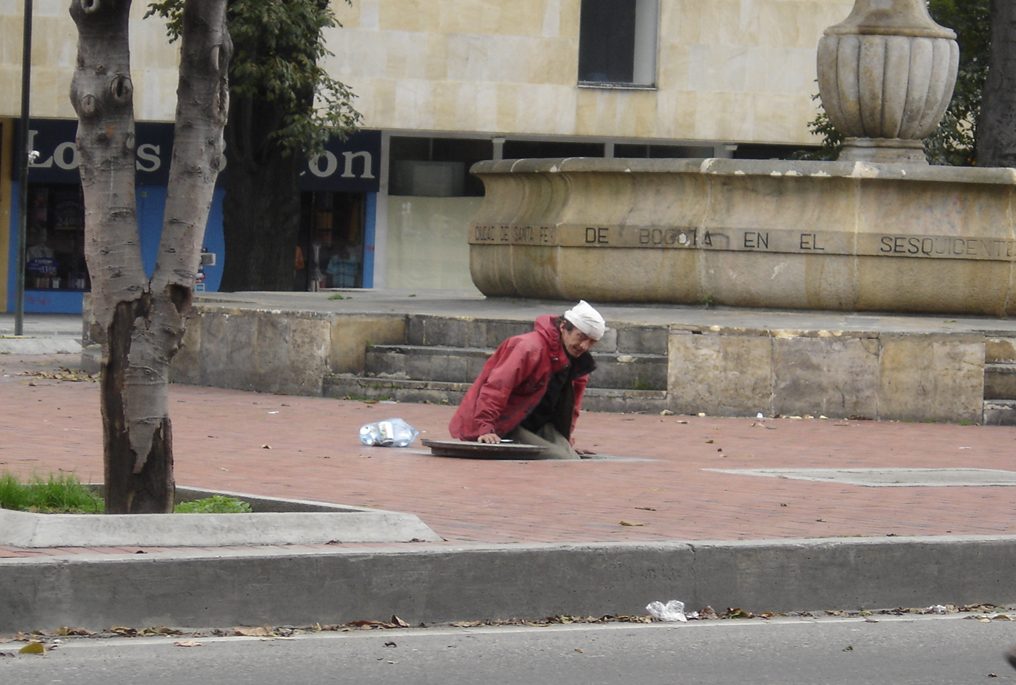
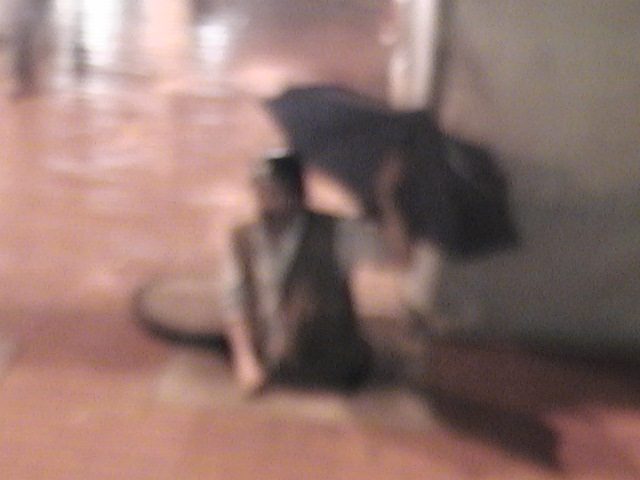
Often, on my way north through Bogotá (along Carrera 7), I once saw half a body sticking out of a manhole in a very relaxed posture, leaning on the rim as if it were the frame of a front door. It was a real surprise to find out that it actually was: someone lived there.
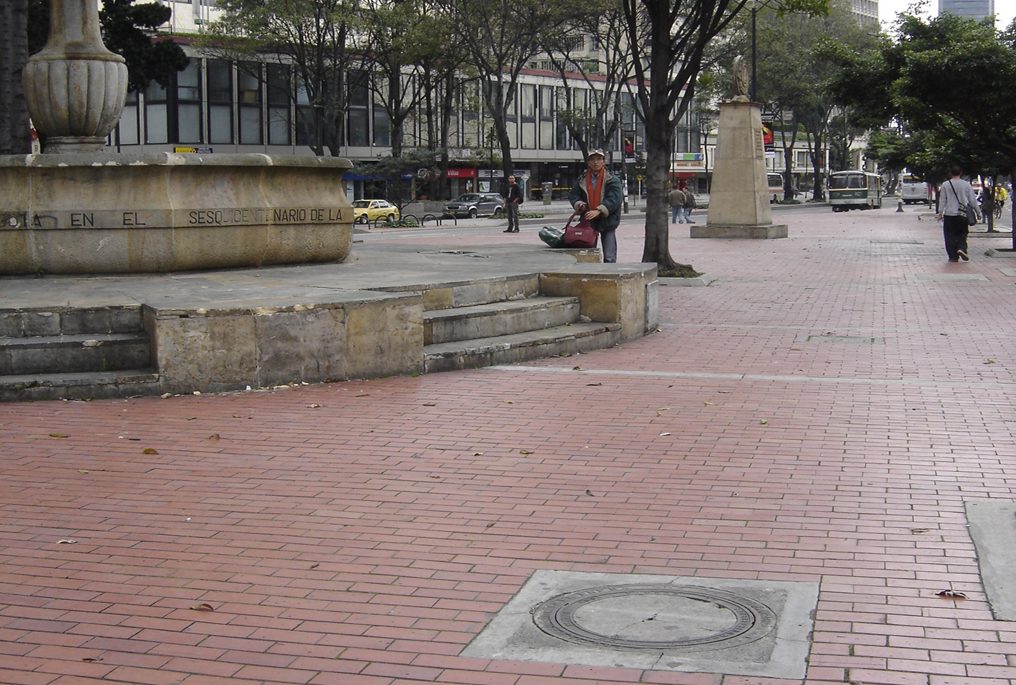
One day I finally decided to find out what was really going on there, and I took a camera just in case. I reached the San Diego square in the international centre, stood next to its fountain and wondered how to knock on a door that does not exist — so I started stamping on the ground, and noticed it had a very rudimentary security mechanism. The craftsmen across the square asked me what I was doing there, whether I was looking for Darío, the guy who lives there.
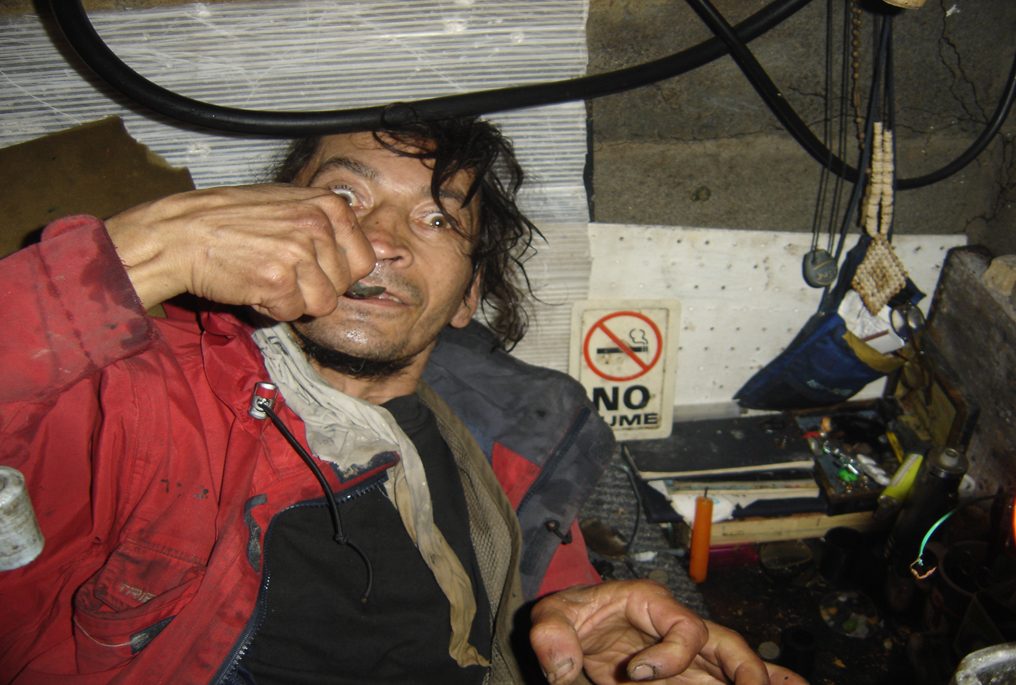
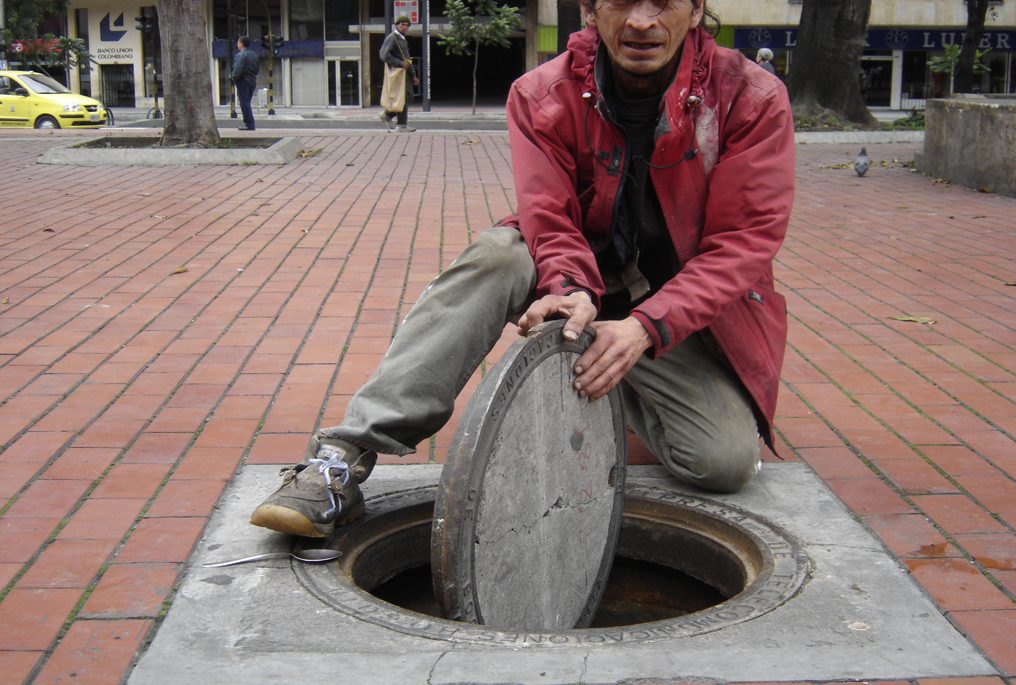
I said yes, and asked if they knew where he was. They told me to wait a moment, it was still too early for him, not yet time to get up — 11:30 a.m. A few minutes later I went back to the manhole, knocked again, and a bleary-eyed, dishevelled man appeared, ready to see me.
He asked for a moment to get himself ready and, of course, to tidy the house; meanwhile I explained my intentions, and without any objection he agreed to a first photo session. A few days later I came back, took a couple more shots and invited him for a coffee, but I still had not got the result I was hoping for.
That is when my friend Paula Estrada came in. She and I had both worked on very similar themes about “the city”, from a somewhat sordid, unconventional perspective. We try to identify the elements that are somehow shocking, that strike you at first sight — I mean that, although they are completely everyday and familiar to us, people in general do not stop to reflect on them.
And what could be more useful and resourceful than a camera to tell a story like this?
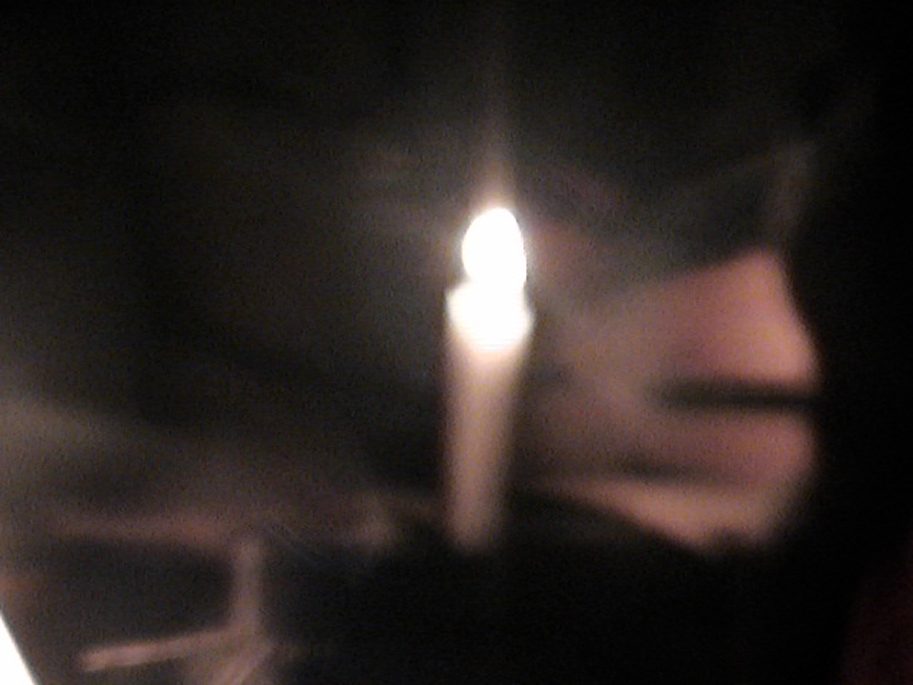
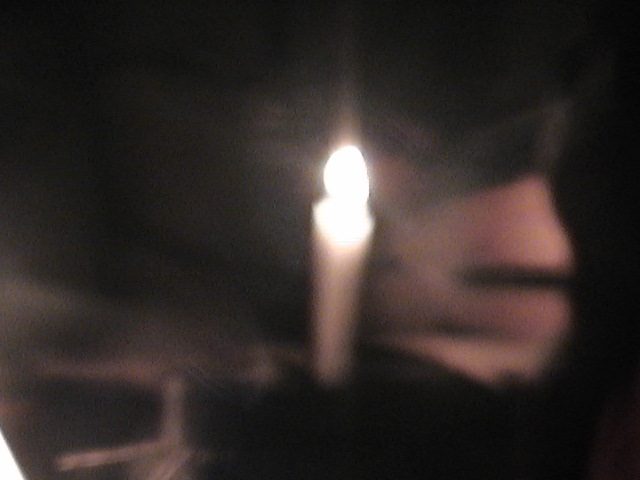
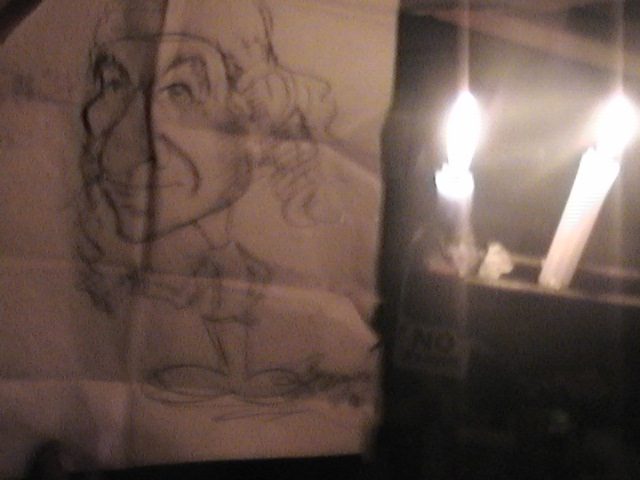
I told Paula about the project I was working on and, without a second thought, we went to visit “Darío” again. He very kindly invited us into his “penthouse” in Bogotá’s international centre, immediately christened Paula “little Janis Joplin junior”, and welcomed us in. I must admit, he was an excellent host.
It is a documentary series, part of my approach to photography: subjects that are both narrative and documentary, as in my previous exhibition, “Perro Callejero” (Stray Dog), shown in this same gallery. The result of our project is presented in this exhibition of 164 photographs.
I currently work in photography, both black-and-white and colour, in different formats.
Through photography I try to capture different kinds of architectural spaces and their atmospheres, interior and exterior, with their own inhabitants and stories. Throughout this search I want to express coherently how spaces are used by those who inhabit them.
My previous work set out to build a new space from photos taken of one place (a corner house at Calle 62 and Carrera 5, Bogotá) at different moments during its demolition. From those photos I wanted to project the image of a new place from the viewer’s gaze, while always keeping the essence of the original place in mind.
As for this exhibition: when I arrive somewhere for the first time, I try to imagine who has lived there and how, how they have handled the space, both dimensional and temporal, and how they have made it their own. Passing such a busy spot as Carrera 7 and Calle 27, where a person lives inside a manhole — a place that is public, underground and, paradoxically, without “public” services — I reflect on how far it is public, where it starts to be private, and what a place means that is private up to a point and yet not, partly because it sits in public space and partly because it lies below the level of a “normal” home. A place that for many is just a manhole and for others holds their whole history.
In this process I understand that every place, every space, both dimensional and temporal, has its own history — a history that matters to each individual.